Power Headrest, Rocker-Motion or Twister Chair? A Guide to S2 Sofas’ Recliner Features

Walk around any sofa showroom and you’ll spot the same three words on the spec sheets: power headrest, rocker-motion, twister chair. They all sound similar, but each does a different job — and picking the right one makes a real difference to how a chair actually feels once it’s in your living room. Here’s what each feature means, and which one suits which kind of sitting.
What Is a Power Headrest Sofa?
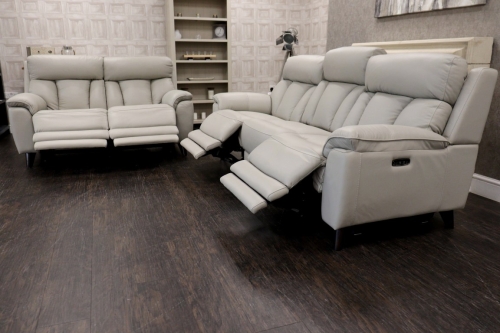
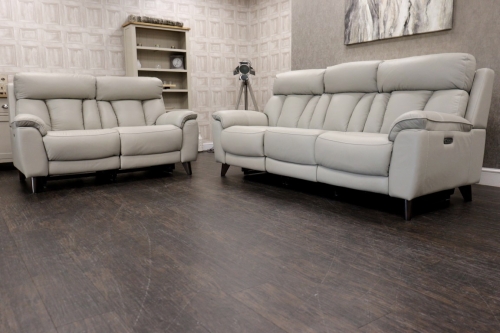
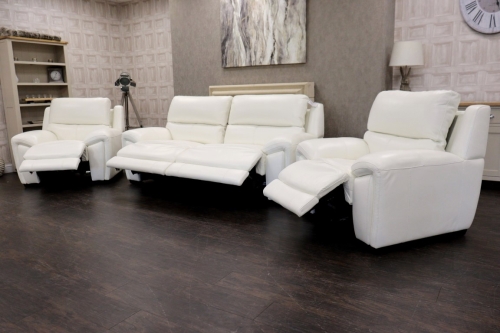
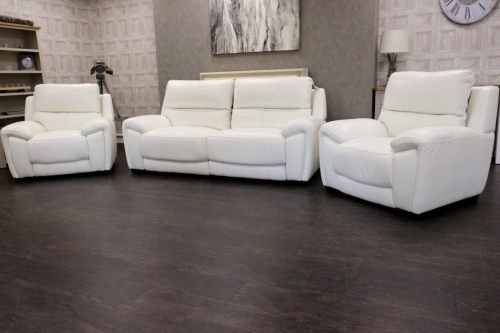
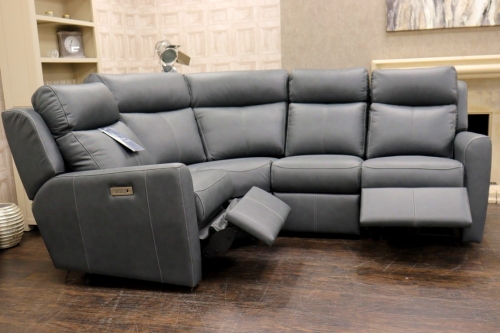
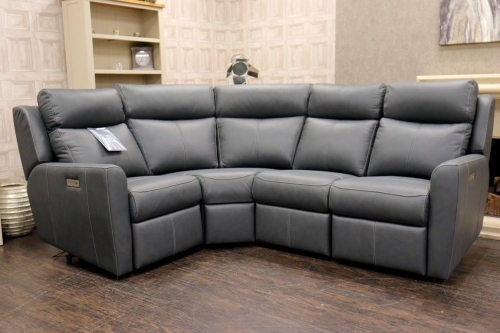
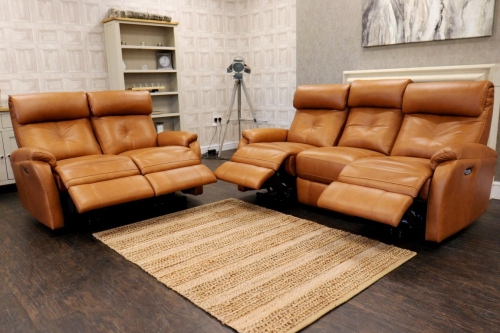
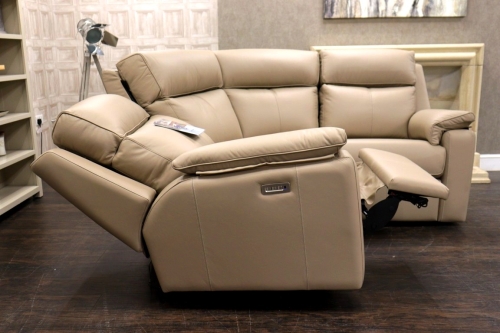
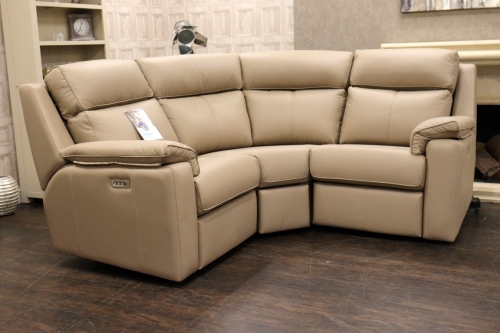
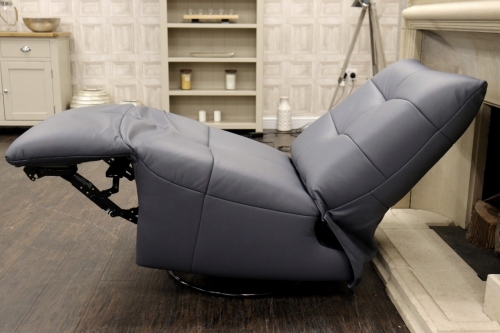
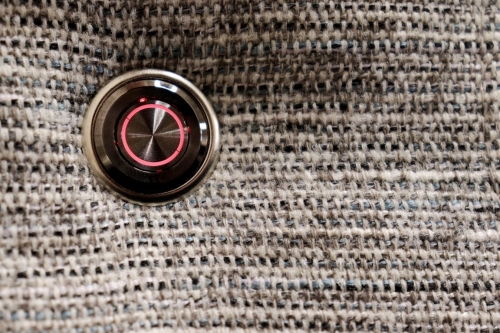
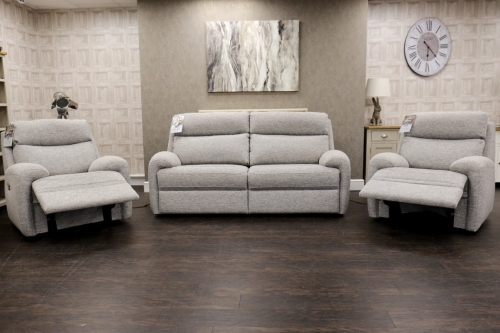
A power headrest is an electrically adjustable headrest built into a recliner or sofa, usually controlled from the same button panel as the reclining mechanism. Rather than the whole backrest tilting as one fixed shape, the headrest section moves independently — so you can drop the seat back for lounging while still angling the headrest forward enough to watch TV comfortably, without a stiff neck. It’s the feature you’ll find on cinema-style sofas and home theatre seating in particular. Brands like HTL, Parker Knoll, G Plan and Barker & Stonehouse all build it into several of their ranges, and it’s one of the more common ex-display finds — you can see current power headrest stock here.
What Is Rocker-Motion?
Rocker-motion is exactly what it sounds like: a chair or sofa built on a mechanism that lets it gently rock back and forth, independently of any reclining action. It’s a subtler feature than a full recliner — there’s no footrest kicking out — just a smooth, controlled rocking motion from a stationary base. It’s popular in single chairs and smaller sofas where the appeal is comfort and movement rather than a fully flat lounging position, and it tends to suit anyone who finds a completely static chair a bit stiff to sit in for long periods. You can browse the rocker-motion range here.
What Is a Twister Chair?
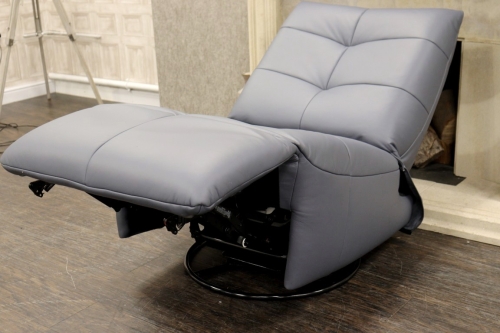
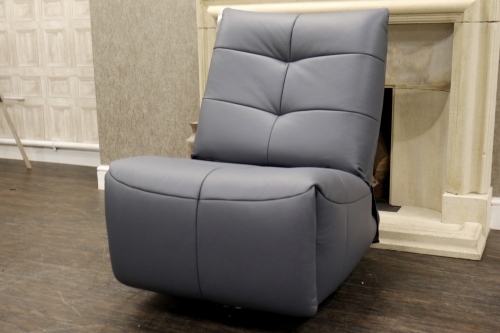
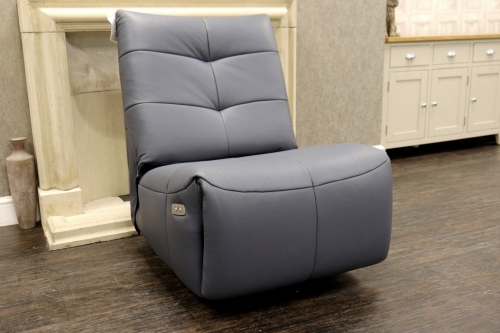
A twister chair swivels a full 360 degrees on its base, often with a gentle rock built in alongside the swivel. Unlike a power headrest or rocker-motion sofa, a twister is almost always a single chair rather than a multi-seat piece, and it’s frequently sold with a matching footstool — useful for turning toward a conversation, a window, or the TV without shifting the whole chair. It’s a strong option for an occasional or accent chair rather than a main sofa. Ergoform-style chairs from G Plan and Parker Knoll, along with pieces from Collins & Hayes and Private Editions, regularly appear in the twister chair category.
Which One Should You Choose?
If the priority is a proper lounging position for watching TV or films, a power headrest paired with power recline is the better fit. If you want the comfort of gentle movement without a chair taking up the extra floor space a recliner needs when extended, rocker-motion makes more sense. And if you’re after a single statement chair that can turn to face different parts of the room, a twister chair does that job better than either. Many of these mechanisms also come as standard reclining options — our guide to buying a reclining sofa covers the manual-versus-power decision in more detail if you’re still weighing that up.
Buying Recliner Features as Ex-Display or Cancelled Order
Because these mechanisms are usually fitted to higher-spec pieces, they’re often where the biggest savings show up on ex-display and cancelled-order stock — the same feature, from the same brand, at a fraction of RRP. Every recliner we sell, mechanism included, comes with the same 20-year structural guarantee as the rest of the range.
Stock across all three features changes regularly, so it’s worth browsing what’s currently in or getting in touch if you’re after a specific mechanism — the team can let you know what’s due in if nothing’s a match right now.



Share This Article
Browse Our Sofas