
Choosing your next sofa is more than just a shopping trip; it’s a thoughtful process that encompasses matching aesthetics with functionality. A sofa is a staple piece in your living space, both visually and practically. This guide will equip you with the insight needed to select the ideal sofa, balancing design with your lifestyle and space constraints.
A perfect sofa does not just fit comfortably in your living space but complements it without overwhelming the room.
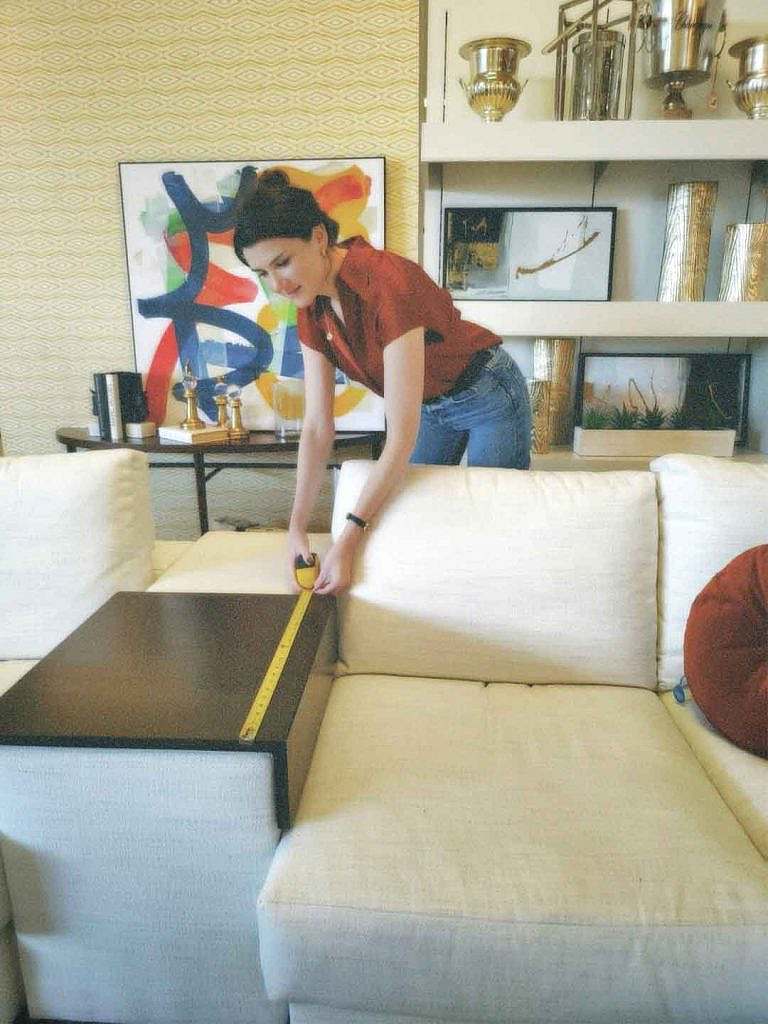
Begin with the dimensions of your living area. Imagine placing a miniature version of your intended sofa into this space. Precise measurement is crucial—it’s simpler than ever to mark dimensions using a tape or even masking tape to map potential placement. Consider the distance to other furniture pieces; pathways should remain unobstructed.
Once you’ve measured your living space, start measuring your entry points. This is a step many overlook until they realise the sofa can’t make it through the door. Measure the width and height of your door frames, hallway turns, and be mindful of any obstructive features, like stairways or bannisters.
Visualising your next sofa within its new home can help you determine the best fit. Some people trace outlines on paper, tape or even use augmented reality apps to project the sofa into their space. Have you got enough room for your coffee table and legroom? This visualisation ensures that when your sofa is delivered, it’s precisely what you anticipated.
Your lifestyle truly influences the type of sofa that will best serve your family and home.

Are you a solo lounger, a couple, or a bustling family? Watching Netflix marathons demands a luxurious Chesterfield offering deep seating, while if you’re prone to hosting, an L-shaped sofa maximises seating when friends drop by. Determine what you love doing to see how a couch can enhance those experiences.
Life can get messy, and spills are inevitable. Consider how manageable the maintenance is. Some fabrics like leather can be wiped clean easily but might not withstand claws well, while a fabric with removable covers can be a blessing for pet owners or parents with messy tots. Consider investing in stain-resistant materials for enduring quality.
Comfort doesn’t mean compromising on style; both can coexist harmoniously.
Testing a sofa at the store is essential. Sink into various models; recline, slouch, lay down, or do whatever you would typically do in its comfort. A wider seating depth is great for sprawlers while a firmer, more compact seat might suit those who prefer an upright position. Each posture demands different back and armrest heights—experiment to find what feels right.
There’s an array of sofa styles—from the classic Chesterfield to the minimalist modern. Each brings a distinct flavour. Traditional styles pair better with rustic or classic contours, whereas contemporary sofas suit a minimalist or modern environment. Decide what resonates with you, maybe even something bold like a mid-century modern design.
Choosing the right fabric for your next sofa influences not only the feel of the sofa but also its longevity. Luxurious velvet is sumptuous under the skin but can be delicate; meanwhile, wool blends provide warmth and durability. Cotton is a breathable all-rounder, while synthetic options promise easy care and robust resilience.
Colour is the soul of a room. Choosing the right one for your next sofa can either celebrate your taste or subtly tie existing elements together.
The colour of your next sofa should reflect and enhance your space. Neutrals work well universally, but if your room features cooler tones or pastels, a contrasting warm-coloured sofa could create an exciting pop. Keep swatches of your room fabrics handy when sofa shopping to compare hues.
Dare to indulge in patterns? Patterns add complexity and character, whilst textured materials create depth. For instance, a patterned sofa might draw the eye in a muted room, while textured finishes can add warmth to a clean, sparse space. A subtle check or a flamboyant floral are possibilities depending on your statement style.
Quality construction is the backbone of a durable sofa—saving cost and disappointment over time.

The frame underpins everything. Solid hardwoods like oak or beech signify strength and longevity, while some manufacturers may use particle board or softer woods which compromise rigidity and may warp over time. Well-constructed frames are often both glued and screwed for durability.
Choices for upholstery and filling are bountiful. Foam provides firm support and retains shape, whereas feather fillings offer squishy comfort. Many modern sofas employ layered combinations for a balance of plush feel and structural support. Upholstery options can range from the lushness of velvet to robust micro-fiber; choose according to your use case.
Selecting your next sofa involves more than pointing to a pretty piece in the store. Each choice, colour decision, and fabric selection tells a story about you and your lifestyle. When space, comfort, durability, colour, and build quality meet, you won’t just have a sofa, but an integral part of your home. Your ultimate sofa awaits—craft it with wisdom. Consider your lifestyle and the demands it places on your furniture. If you have a bustling household with kids or pets, opt for durable materials and easy-to-clean fabrics.